Savant Smart Home: What It Costs and What You Get
Savant sits at the top of the residential automation market, sharing the same rarefied air as Crestron and, to a lesser extent, Control4. If you’ve been quoted $50,000 or more for a smart home system and wondered whether the premium is real or marketing, this breakdown is for you.
The short answer: Savant’s premium is real, but it’s earned in specific ways. The company makes its own hardware, has one of the strongest media room stories in the industry, and runs on Apple technology throughout. Whether those advantages justify the price gap over competing platforms depends almost entirely on what you’re trying to accomplish.
What Savant Actually Is
Savant Systems was founded in 2005 in Hyannis, Massachusetts, and spent its first decade building a reputation in high-end vacation and estate properties. Unlike most automation companies that rely on third-party components, Savant designs and manufactures most of its core hardware in-house. That vertical integration is rare in this industry and matters more than it sounds.
The platform is built on Apple’s iOS and macOS foundations. Savant integrators work on Mac Mini-based processors running a hardened operating system, and the user-facing app is native iOS. The company has been an Apple MFi (Made for iPhone) licensee since its early years, which is part of why the interface feels more refined than most competitors. You’re not interacting with a skinned web app; you’re using purpose-built native software.
Savant’s current flagship line is the Savant Home platform, with controllers ranging from the compact RacePoint Blueprint for mid-tier installs to the Pro X2 Smart Host for full-scale residential deployments. The Pro X2 supports up to 200 devices per controller, handles 4K video distribution, and runs audio to up to 32 zones simultaneously.
For homeowners comparing platforms, the Control4 Smart Home System: Complete Buyer’s Guide covers how the competing approach handles similar scale, with meaningful differences in programming philosophy and third-party integrations.
The Pricing Reality
Anyone who tells you Savant is affordable is either using an unusually narrow definition of that word or hasn’t priced out a real installation. Here’s what you’re actually looking at.
Entry-level system (1,500 to 2,500 sq ft, basic integration): $15,000 to $35,000 installed. This covers lighting control in key rooms, thermostat integration, a single audio distribution zone, and basic security integration. You’re getting a foundation, not a full buildout.
Mid-range system (3,000 to 5,000 sq ft, primary living spaces automated): $40,000 to $90,000 installed. This is where most custom home clients land. Multi-zone audio using Savant’s own TruAudio speakers or integrated third-party brands like Sonos, lighting scenes throughout the home, integrated climate control with ecobee or Nest thermostats, garage and gate control, and a primary home theater or media room.
High-end estate build (5,000+ sq ft, full-home integration): $100,000 to $300,000+. Whole-home video distribution, multiple theater rooms, outdoor AV, comprehensive lighting with Lutron Homeworks or RadioRA 3, HVAC control across multiple zones, full security camera integration with Ring or Axis systems, and often custom programming for unique client workflows.
These ranges reflect equipment plus installation. Savant integrators typically charge $150 to $250 per hour for programming, and complex installs can run 80 to 200 hours of programming time alone.
Ongoing costs: Savant requires dealers to maintain RMR (recurring monthly revenue) agreements. Expect $150 to $400 per month for a service and monitoring plan on a mid-tier install. This isn’t optional theater; your integrator is essentially on the hook for system uptime, and the subscription covers remote diagnostics, updates, and priority support response.
Hardware: What’s in the Savant Ecosystem
Savant’s hardware catalog is broader than most homeowners realize. The company makes controllers, keypads, audio products, video distribution systems, remotes, and the central smart home app interface.
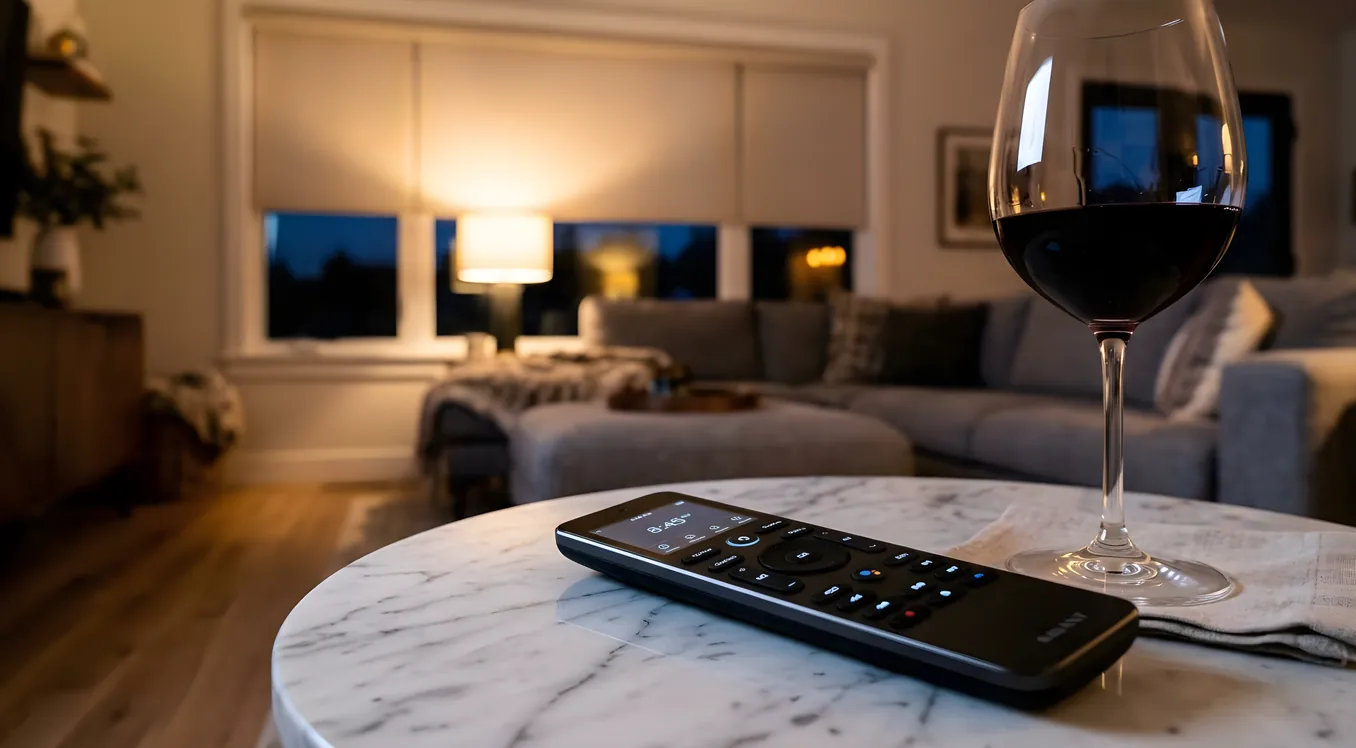
Savant Pro Remote (SPK-REMOTE12): This is Savant’s flagship physical remote, and it’s genuinely impressive. A 12-button Bluetooth controller with LED backlit buttons and haptic feedback. Unlike a touchscreen remote that requires you to look at your hand, the Pro Remote can be programmed with tactile differentiation. MSRP runs $600 to $800 depending on configuration.
Savant TrueImage Video System: For whole-home video distribution, Savant’s native system supports 4K HDR content over IP at up to 4:4:4 color depth, which matters for dedicated theater rooms. The SB-TRUEIMAGEPRO handles up to eight sources distributed to twelve displays, with per-zone volume and source control. Street pricing runs $12,000 to $20,000 for the core hardware before installation.
RacePoint Blueprint: Savant’s entry-level smart host for smaller projects. It handles up to 50 devices, runs the full Savant OS, and integrates with Z-Wave, Zigbee, and IP-based devices. MSRP is approximately $1,200 to $1,800.
Savant Lighting: Savant acquired RacePoint Energy in 2016 and has been building out a proprietary lighting system since. The current Savant Smart Dimmer (SLD-01) ships at $189 per switch and integrates natively with the ecosystem without requiring a separate bridge. For larger projects, many integrators still spec Lutron Homeworks or RadioRA 3 alongside Savant because Lutron’s track record in commercial and residential lighting is difficult to beat.
Audio integration: Savant’s own TruAudio brand handles in-ceiling and in-wall speaker products, but the ecosystem also integrates cleanly with Sonos, Denon AVR, Marantz, and Anthem receivers. The Savant music experience pulls from Spotify, Tidal, Qobuz, and Apple Music, with metadata display and album art on keypads with displays.
Where Savant Excels
Media rooms and theaters: This is where Savant genuinely earns its premium. The combination of clean interface design, native Apple AV framework integration, and deep receiver/processor integration means setting up a dedicated theater with a JVC or Sony projector, an Anthem AVM-90 processor, and a Savant controller produces a genuinely polished experience. One-tap theater mode: lights dim to 5%, projector lifts, screen descends, receiver switches to HDMI 3, and the interface switches to your streaming apps. No fiddling.
Multi-family and estate properties: Savant’s multi-site management is legitimately strong. Properties with a main house, guest house, and pool house can share a single logical system with separate user profiles and permissions. If you’re managing a vacation rental fleet or an estate with staff access controls, this architecture matters.
iOS integration depth: Because Savant is built on Apple technology, things that should work together actually do. Siri Shortcuts, HomeKit bridge (through the Savant Home app), AirPlay 2 distribution, and iCloud-based remote access all work without the hacks or third-party bridges that competing platforms often require. That said, the Apple HomeKit: What It Does Well and Where It Falls Short article covers why relying on HomeKit alone misses a significant portion of what a dedicated platform like Savant provides.
Reliability and longevity: Savant systems tend to have long operational lifespans. The company has been around 20 years, the software is professionally installed and programmed, and the hardware quality is measurably better than consumer-grade devices. If you’re building a home you plan to own for 20 years, that durability calculus matters more than a $5,000 upfront difference.
Where Savant Falls Short
Third-party device breadth: Savant’s device driver library is smaller than Control4’s, which has a longer head start on third-party integration. If you have niche HVAC equipment, a specialty camera brand, or an unusual AV processor, Savant may not have a native driver and your integrator will need to build a custom one. That’s billable time.
Programming accessibility: Savant programming happens through Savant’s proprietary Blueprint software, which is dealer-only and has a steep learning curve. You cannot make programming changes yourself; you’re dependent on your integrator for anything beyond what the app allows you to customize. Compare this to Josh.ai: The Privacy-First Voice Control System, which is designed with end-user configuration in mind.
Price-to-value in basic installs: For straightforward lighting and thermostat control in a 2,000 square foot home, Savant is almost certainly overkill. You’ll pay a platform premium for capabilities you won’t use. At that scale, Control4 or even a well-configured Google Home or Apple HomeKit setup delivers most of the practical benefit at a fraction of the cost.
Dealer dependency: Savant is sold exclusively through authorized dealers. You cannot buy hardware through retail channels, which means you’re always going through your integrator for equipment. This keeps system quality high but eliminates the price pressure of a competitive retail market.
Savant vs. the Competition
Savant vs. Crestron: Both platforms target the same tier. Crestron has deeper enterprise roots and is more common in commercial installations and ultra-high-end estates. Savant tends to win on interface aesthetics and iOS-native feel; Crestron wins on raw scalability and IT infrastructure integration. The Crestron Home Automation: Enterprise-Grade for Residential guide covers how those differences play out in practice. For most residential clients, the choice between Savant and Crestron comes down to which integrator you trust more, since both platforms require expert programming.
Savant vs. Control4: Control4 is the larger company by unit volume and has a much deeper driver library. For a $60,000 to $80,000 project, you’ll often get comparable functionality from Control4 with more third-party device compatibility. Savant wins on interface polish and media experience; Control4 wins on ecosystem breadth and dealer availability. Both require professional installation.
Savant vs. Google Home/Amazon Alexa: These aren’t serious competitors at the same tier. Consumer platforms top out at basic device control and voice commands, with limited custom programming, no real video distribution, and inconsistent third-party integration quality. The gap becomes especially clear in AV control, multi-zone audio, and scenes that require precise timing and sequencing. For a new build with a real budget, consumer platforms are a starting point, not a destination.
The Installation Process
A typical Savant installation runs 4 to 12 weeks from contract to final programming, depending on scope.
Weeks 1 to 2 cover the design phase: your integrator builds the system architecture, specifies equipment, runs cable, and coordinates with your electrician and AV rough-in crews. For new construction, this often happens concurrently with rough framing.
Weeks 3 to 6 cover pre-wiring and rack build. Network infrastructure matters enormously in a Savant install; your integrator will typically spec a Pakedge, Araknis, or SnapAV managed switch and router configuration since consumer-grade networking causes intermittent device communication issues that are difficult to diagnose after the fact.
Final programming and commissioning typically run 40 to 120 hours for mid-range installs. This is where your scenes get built, device communication gets tested, and the interface is customized to your home layout. A good integrator will do a walk-through session with you to fine-tune button labels, scene names, and workflows before signing off.
Questions to Ask Your Integrator Before Signing
Before committing to a Savant installation:
Ask for three local references from installs done in the last two years. Not testimonials: real homeowners you can call. Ask them specifically about responsiveness when something breaks.
Ask what happens if your integrator goes out of business. Savant authorized dealers can hand off a system to another dealer, but that handoff isn’t always seamless. Get a clear picture of who else in your area is a certified Savant dealer.
Ask for the full hardware list with line-item pricing. Some integrators mark up hardware 30 to 50%; others are closer to 15%. You won’t know unless you can compare against MSRP.
Ask about the software update policy. Savant releases OS updates periodically, and some updates require re-programming or dealer time. Know what that costs.
Ask specifically what you can change yourself. Most Savant systems allow end-user customization of scene names, device favoriting, and interface layout. Deep programming changes require dealer involvement. Know where that line is.
Who Should Seriously Consider Savant
Savant makes the most sense for:
- Custom homes over 4,000 square feet where a unified control experience across multiple rooms, outdoor spaces, and AV systems has real daily utility
- Homeowners who are deeply embedded in the Apple ecosystem and want that integration to extend to their home
- Clients building or renovating a dedicated media room or theater where the AV control story matters
- Multi-property owners who want consistent system management across locations
- People who genuinely plan to use the system and are willing to pay for professional ongoing support
It makes less sense for apartment renovations, investment properties, or homeowners who primarily want basic voice control and don’t have complex AV or lighting requirements.
What the Investment Actually Delivers
The reason homeowners who’ve owned a well-installed Savant system rarely move away from it is friction reduction. Not gimmicks: friction reduction. A properly built Savant system means you stop thinking about your house. The lights, temperature, music, security, and AV equipment behave the way you expect them to, consistently, without requiring app troubleshooting or voice command repetition.
For a 6,000 square foot home where you’re running four or five different subsystems, that coherence has real value. The question is whether you’re building that kind of home, and whether you’ve found an integrator qualified to deliver it.
The platform is excellent. The execution depends entirely on the dealer. Spend as much time vetting the integrator as you spend researching the hardware, and you’ll be in a much better position to make the right call.